

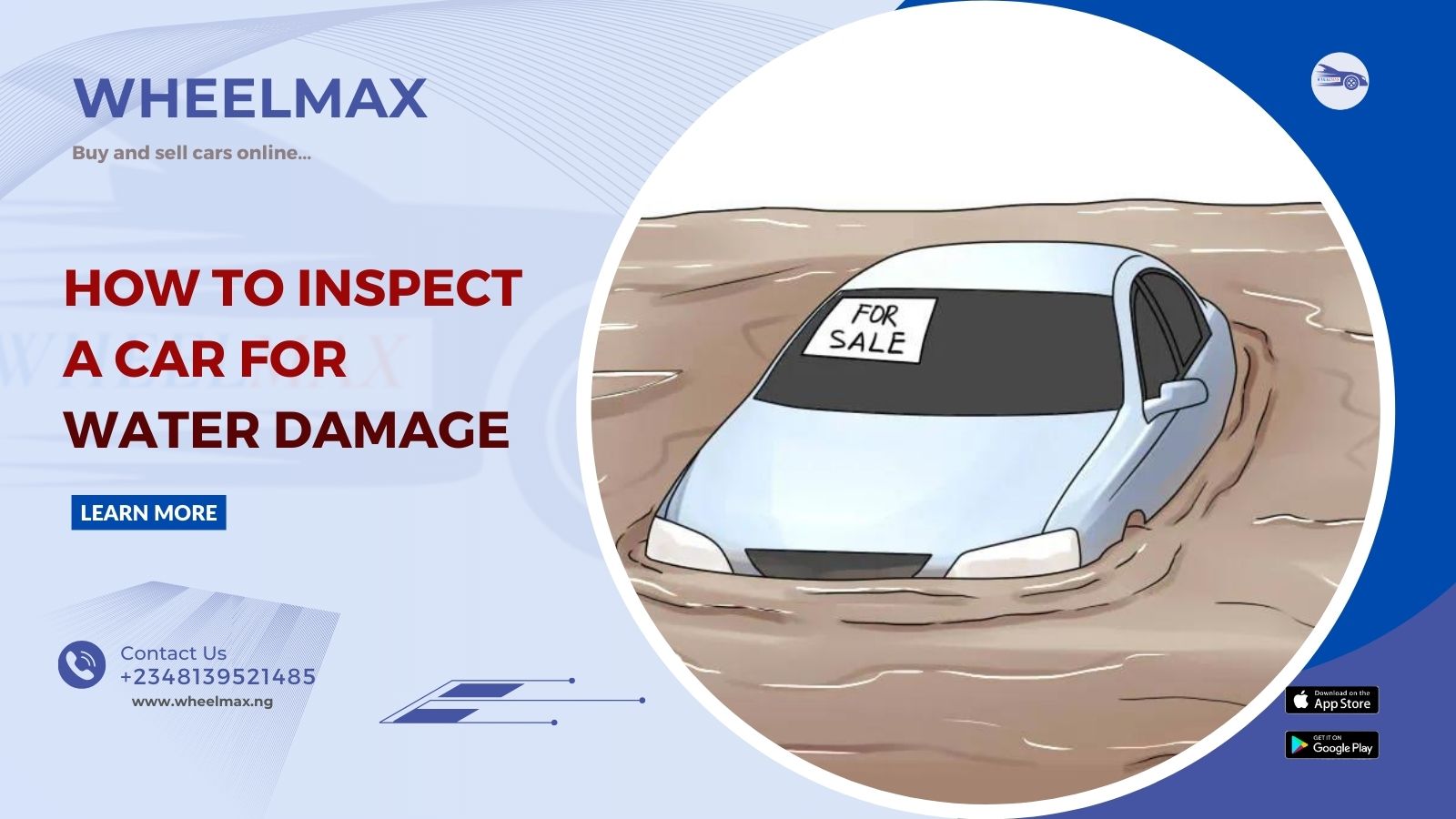
Buying a used car is exciting, but unearthing hidden water damage can turn that excitement into a financial nightmare. Here's how to become a water damage Sherlock Holmes during your next car inspection:
The Olfactory Assault: Smelling for Trouble
Musty Odors:
Beyond a simple mildew smell, be aware of variations. Does it smell earthy, like damp soil? Or perhaps slightly metallic, hinting at rust development? Take note of any unpleasant odors that intensify when the car is humid or the air conditioning is on.
Air Freshener Frenzy:
A car overloaded with air fresheners, especially ones with strong, artificial scents, is a red flag. Look for air freshener dispensers stuck in odd places or excessive air freshener residue on surfaces.
Visual Inspection: Keen Eyes for Hidden Clues
Mismatched Carpeting:
Inconsistencies in color or texture aren't just aesthetic issues. Look for seams that don't line up perfectly or carpeting that feels stiff or warped. Check under the seats for signs of recent carpet replacement, like loose staples or different colored tack strips.
Water Lines:
These are often faint horizontal lines left behind on door sills, around the trunk latch, or on interior panels. They indicate the water level the car was submerged in. Look for these lines high up on the car for a more concerning scenario.
Rust and Corrosion:
Focus on areas prone to water accumulation, like the bottoms of doors, around the windshield frame, and underneath the car. Look for bubbling paint, rust spots hidden behind trim pieces, and a rusty, flaky texture on metal components. Use a flashlight to inspect hidden corners.
Electrical Examination: The Silent Scream of Water Damage
Moisture in Gauges and Lights:
Open the glove box and check for condensation on the interior light. Do the instrument cluster gauges appear cloudy or dirty on the inside? Look for condensation or water droplets within the headlight or taillight assemblies.
Electrical Functions:
With the engine on, meticulously test all the electrical components. Do the windows roll up and down smoothly? Do the locks click securely? Listen for any unusual sounds from the power windows or flickering lights on the dashboard. Test the radio, air conditioning, wipers, and turn signals – any malfunctions could be water damage related.
Under the Hood: A Peek into the Engine's Health
Oil Check:
Locate the dipstick, pull it out, and wipe it clean. Look for a milky brown color or the presence of water droplets on the dipstick. This indicates water contamination in the engine oil, a serious problem.
Brittle Wires:
Carefully examine the wiring harness in the engine bay. Look for cracked, brittle, or corroded wires. Water exposure can damage the wire insulation, leading to electrical shorts and malfunctions.
Beyond the Basics: Taking it a Step Further
Feel for Dampness:
Run your hands along the carpeting, under the seats, and around the trunk. Do any areas feel damp or sticky? This could indicate hidden moisture problems.
Carpet Removal (with Permission):
If possible, ask the seller for permission to lift up the carpeting. Look for signs of water damage like rust on the floorboards or mold growth underneath the carpet padding.
Mechanic's Inspection:
If you're serious about the car and any signs raise red flags, get a pre-purchase inspection done by a trusted mechanic. They can check for hidden water damage and assess the extent of any repairs needed.
Remember, a little time and effort inspecting for water damage can save you a lot of money and hassle down the road. By being observant and aware of the signs, you can avoid a watery disaster and drive away with confidence in your new (and dry) car.