

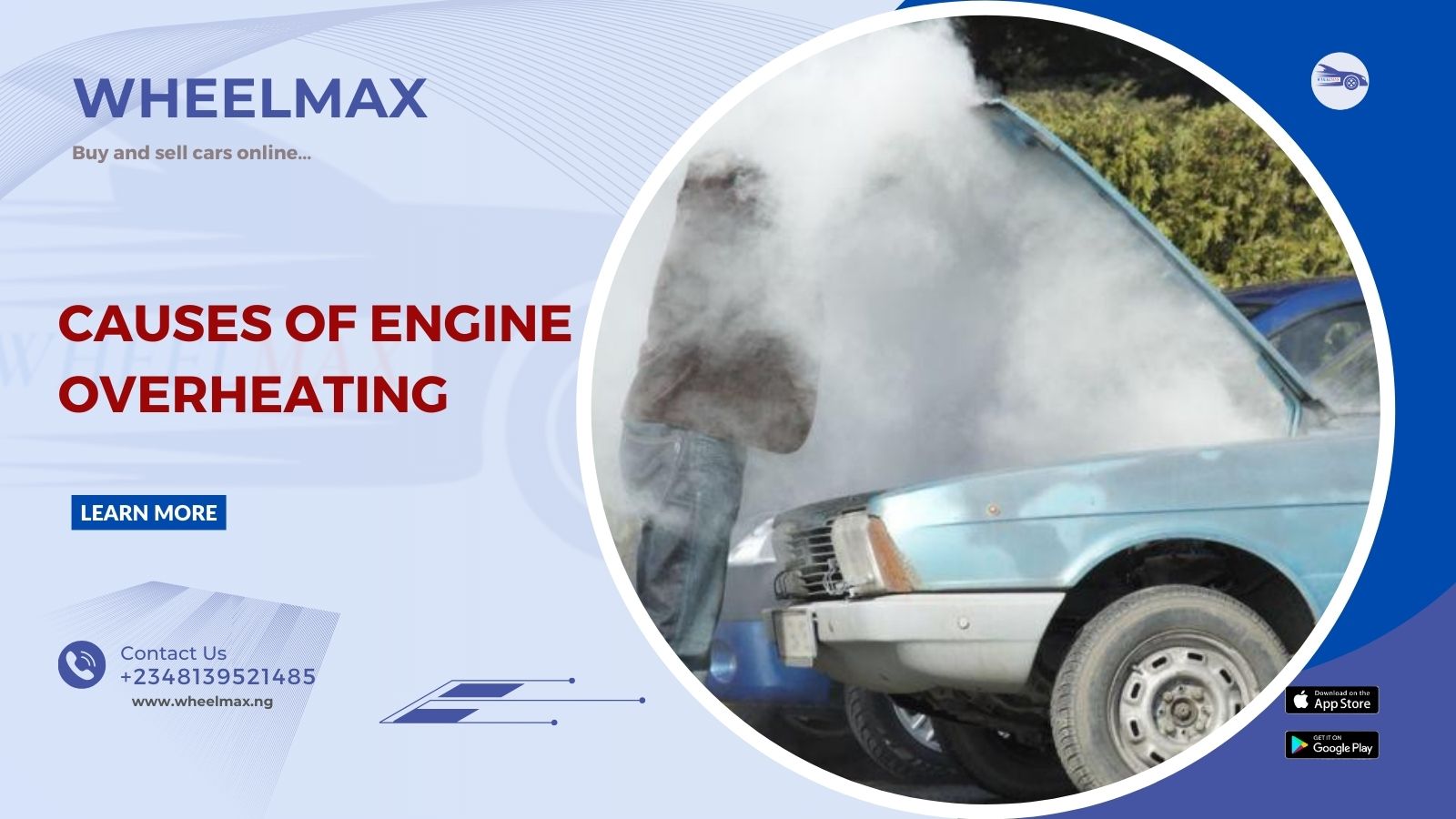
Engine overheating is a common problem that can happen to any car. It's indicated by a rapidly rising temperature gauge and may even cause smoke to come out from under the hood. But don't panic! This article will explain what causes engine overheating and how to prevent it.
The Culprits Behind Engine Overheating
Many factors can contribute to engine overheating, most of them related to the cooling system. This system acts like an air conditioner for your engine, removing heat generated by the engine block. If the cooling system malfunctions, heat builds up and causes overheating. Here are some common culprits:
Cooling System Leak:
The cooling system consists of various parts like hoses, radiators, and water pumps. Leaks in any of these components can cause coolant to escape, preventing it from absorbing heat from the engine. Leaks can develop from cracks, worn-out hoses, or loose connections.
Malfunctioning Thermostat:
The thermostat acts like a gatekeeper for the coolant. When the engine is cold, it restricts coolant flow. As the engine warms up, the thermostat opens, allowing coolant to circulate through the engine and radiator. A faulty thermostat might not open or close properly, leading to overheating.
Dead Radiator Fan:
The radiator fan is like a large fan that blows air through the radiator fins to cool down the coolant. If the fan malfunctions due to electrical problems or a burnt-out fuse, the hot coolant won't cool effectively, causing the engine to overheat.
Low Engine Oil:
Engine oil not only lubricates engine parts but also helps absorb some heat. Low engine oil levels can hinder its ability to perform this function, leading to overheating.
Blocked Radiator:
The radiator has tiny fins that allow air to pass through and cool the coolant. Dirt, debris, or even insects can block these fins, restricting airflow and preventing the coolant from cooling down.
Staying Cool: Preventing Engine Overheating
Here are some steps you can take to prevent your engine from overheating:
Regular Maintenance:
Regular car servicing is crucial. Ensure the cooling system is checked for leaks, hose condition, and coolant level.
Top Up Coolant:
Regularly check your coolant level, especially before long trips. Use the coolant type recommended by your car's manufacturer.
Watch the Temperature Gauge:
Most cars have a temperature gauge that displays the engine temperature. If the gauge climbs high, pull over safely and turn off the engine. Don't continue driving!
Clean the Radiator:
Occasionally, use compressed air to blow out any dirt or debris blocking the radiator fins.
Don't Overload:
Avoid overloading your car, especially during hot weather. This puts extra strain on the engine, making it run hotter.
If Your Engine Overheats
If your engine overheats, the most important thing is to stop the car safely. Pull over to the side of the road and turn off the engine. Never add cold water directly to a hot engine, as this can cause cracks. Let the engine cool down completely for a few hours before opening the radiator cap. You can carefully add coolant if the level is low, but it's always best to have a mechanic check the problem as soon as possible.
By understanding the causes of engine overheating and following these preventive tips, you can keep your car cool and running smoothly. Also, if your engine overheats, it's not the end. The situation can be remedied if you contact a good mechanic.
NB: If you continue to drive the car without solving the overheating issues, you may end up damaging the car beyond repair and you may get stranded on the road if the engine gives out.